
Croft Biodiversity Project Updates
Updated: Jun 24

Below you'll find updates on our Croft Biodiversity Project, the latest at the top. We hope you'll find them interesting. Visit the main project page to learn more and get involved.
23 June 2026: What's the Buzz?
Croft Biodiversity Group member Sue Armstrong updates us
on her pollinator survey (all photos hers)


Stimulated by the insistent buzzing around the wildflowers in the market garden while we volunteers were busy with harvesting and weeding and sowing vegetables last Wednesday, I went down to the Croft next day with my clipboard, my mobile phone with its FIT Count app, and the bee identification chart I’d printed out to do the first pollinator survey.
According to the guidelines, one is supposed to focus on a very limited patch measuring 50x50cm, so I’d cut myself a piece of string that length to help me gauge my survey area. I chose a patch thick with what my Plantnet app identified as Phacelia tanacetifolia, commonly known as “fiddleneck” or “lacy phacelia” among several other names. I noted on my clipboard that the weather was cool, muggy and overcast. Then I set my phone’s timer and settled down to watch the flowers for ten very rewarding minutes (as suggested by the FIT guidelines).

Seven big bumblebees visited my patch while I watched, together with a hoverfly and a moth. Consulting my bee identification chart I reckoned they were mostly “garden bumblebees” (Bombus hortorum), though they didn’t settle long enough for me to be sure they weren’t one of the other very similar species! The Wildlife Trust describes B. hortorum as “quite a large scruffy-looking bee with a white tail…”. I read too that it has a very long tongue capable of collecting pollen and/or nectar from deep tubular flowers such as foxgloves.
Early June 2026: General Update

We are a few months into the Leith Community Croft Biodiversity Project and beginning to collect some information about the rich diversity of birds, plants, worms and other species we are finding on the site. So perhaps it’s time for an update.
We are meeting about once a month to plan the various surveys and to share our findings. At a recent meeting we agreed that it was important to keep in touch with all the Crofters and share the results as we collect them.
You can contribute your own observations at any time and we will add them to the records.
Birds
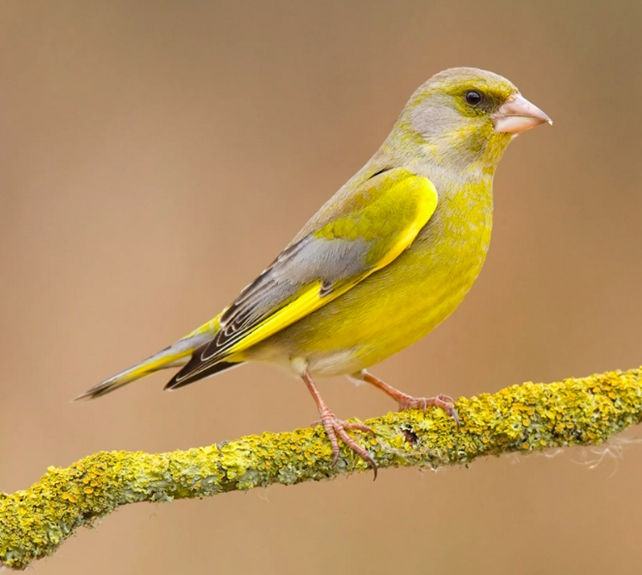
So far we have spotted 17 bird species during three morning walks. The charm of goldfinches is quite often spotted and we usually see robins, wrens and great tits as well as pigeons (!), starlings, blackbirds, and flocks of sparrow – though it is difficult to determine exactly which species as they don’t sit still long enough for one to study their markings! On one walk we saw a greenfinch and we can probably now add swallows and martins. Tree creepers can be found near the Croft.
What else have you seen that we should have spotted?
Flowering plants
Some of us have been looking at the wild flowers. More than 50 species have been found already, and we have pictures of most of them.
The few fritillaries we found in spring were a surprise. How did they get there? Are they spreading?
Earthworms

The worm survey showed that we had good worm populations in many places (4 per sq m) but there were a few surprises. It looks like low worm numbers in some plots might be related to the use of soil fertilisation practices that they don’t like! For example, we have discovered that ammonia is toxic to worms (it burns their tissues), and they will move away from soil treated with ammonium-based fertilisers – if they haven’t already succumbed to it.
Mapping
We are in the process of mapping our findings using geographic information system software (QGIS, for those who are interested), which we can use to examine the diversity and see if there are patterns such as ‘hot’ or ‘cold’ spots. First tasks are to get an accurate picture of the different plots and areas.

It would be much appreciated if you could let us know exactly where your plot is. To facilitate this, we have A3 laminated versions of the aerial photograph above and whiteboard pens. You can mark the laminated photographs, photograph the result and then send the pictures to us. You can approach Eric (accounts@earth-in-common.org) or Toby (tobyhodgkin@gmail.com) to access the photographs and whiteboard pens. Alternative methods of describing locations are available!
Next activities

Next up will be more bird and flower hunts and, now the summer is arriving, we plan to look for pollinators using the approach suggested by the UK Pollinator Monitoring Scheme. You too can do this on the flower patches in or near your plot. It only takes 10 minutes and you can drop us a note with your findings and the location.
We are also hoping to arrange a visit from a fungus expert to help us assess which species are active on our Croft, and what role they are playing in the cycle of life, and to advise on how to look for and identify them.


Comments